The Rise of Esports: Understanding the Hit Club Phenomenon
In recent years, the esports industry has transitioned from a niche hobby into a multi-billion dollar global phenomenon. Competitions fill arenas, and millions of viewers tune in online to watch their favorite players battle it out in various video games. This explosive growth has given rise to communities and clubs that cater to players of all skill levels, often referred to as the "hit club." Understanding this phenomenon provides insight not only into competitive gaming but also into the evolving landscape of entertainment in the digital age. As you explore opportunities in this exciting arena, resources like hit club can offer invaluable insights and guidance.
What is the Hit Club in Esports?
The term "hit club" refers to a collective of gamers, often organized around specific titles or competitive leagues, that promotes skill development, camaraderie, and competition. These clubs serve as a nurturing ground for aspiring players and seasoned veterans alike, allowing members to share strategies, practice together, and participate in tournaments. The essence of a hit club is community; it provides a supportive environment that encourages gamers to reach their full potential.
The Evolution of Competitive Gaming
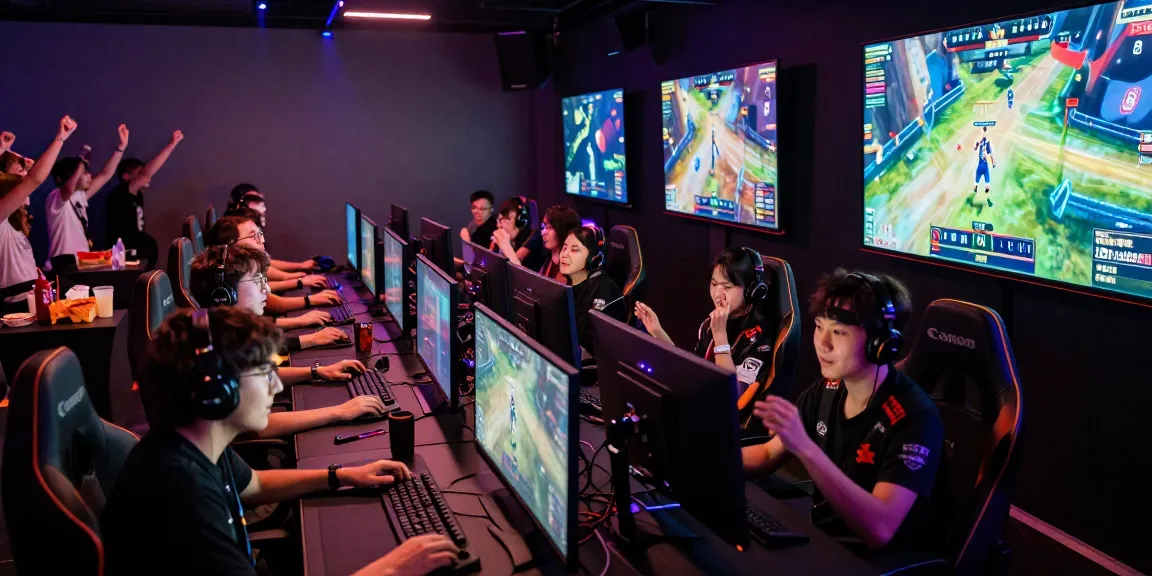
Competitive gaming dates back to the early days of video games, but it has evolved dramatically over the decades. From small gatherings in arcades to massive esports tournaments streamed live to millions, the competitive landscape has changed significantly. Early competitions were often casual and local, but today, organizations like Riot Games, Blizzard, and Valve have built structured leagues and tournaments that attract top-tier talent and substantial sponsorship deals. As technology has advanced, so has the reach and impact of these competitions, leading to the formation of the modern hit club.
Industry Insights: Trends Shaping the Hit Club Landscape
The growth of the hit club phenomenon is influenced by various industry trends that shape how fans engage with esports and how organizations operate. Understanding these trends is crucial for players, fans, and stakeholders looking to navigate this dynamic landscape.
Emerging Technologies Driving Engagement
Technology plays a pivotal role in the evolution of esports. From high-definition streaming to virtual and augmented reality experiences, innovations are reshaping how fans interact with their favorite games and players. Emerging technologies, such as Artificial Intelligence and Machine Learning, are also being leveraged to enhance the gaming experience. These advancements make it easier for hit clubs to engage their members in more interactive and personalized ways.
Fan Experience: The Future of Spectating
The way fans consume esports content is shifting rapidly. Live events are increasingly complemented by online streaming options, interactive chat features, and social media platforms where fans can share their experiences in real-time. Hit clubs that adapt to these changes are likely to foster more engaged communities, providing unique fan experiences that blend in-person and digital interactions.
Monetization Strategies for Esports Teams
As the esports industry matures, so do the monetization strategies that teams and hit clubs use. Sponsorships, merchandising, crowdfunding, and ticket sales for events are just a few ways organizations are generating revenue. Building a successful hit club involves understanding these financial models and leveraging them to ensure sustainability and growth.
Training and Development: Building a Hit Club Champion
To succeed in the competitive gaming landscape, aspiring players must develop a comprehensive skill set. Hit clubs often play a crucial role in this training and development process.
Essential Skills for Aspiring Gamers
Successful esports athletes need more than just good reflexes. Key skills include strategic thinking, teamwork, communication, and resilience. Hit clubs can provide training sessions, workshops, and practice scrimmages that focus on developing these essential skills, creating well-rounded players who are competitive at the highest levels.
The Role of Coaching in Esports
Coaching has become a critical element of training in esports, paralleling traditional sports. Experienced coaches offer invaluable insights into strategy and gameplay while providing emotional support to players. Hit clubs that incorporate structured coaching programs can significantly elevate the skill level of their members, fostering a new generation of champions.
Nutrition and Health for Competitive Gamers
While many think competitive gaming is solely about skill, physical and mental health play a significant role in performance. Nutrition, exercise, and mental well-being are crucial for sustaining long gaming sessions and maintaining focus. Hit clubs should prioritize education around health and wellness, helping players to perform at their best both mentally and physically.
Challenges and Controversies Facing the Hit Club Community
Despite the growth and excitement surrounding esports, the hit club community faces several challenges that must be addressed to sustain its upward trajectory.
Addressing Toxicity and Inclusivity in Gaming
Toxic behavior has been an ongoing issue within the gaming community. Many hit clubs are taking proactive measures to cultivate an inclusive environment where all members feel welcome. Implementing code-of-conduct guidelines and promoting positive interactions are essential steps that hit clubs can take to combat toxicity and foster a healthy gaming culture.
Regulatory Issues in Esports
The rapid expansion of esports has also led to a gray area in terms of regulations. Issues such as cheating, match-fixing, and player contracts continue to surface. As hit clubs navigate this complex landscape, it is imperative to establish transparent practices and adhere to established regulations, ensuring that competitive integrity remains intact.
The Impact of Sponsorship and Advertising
Sponsorship plays a vital role in the financial viability of esports. However, over-commercialization can dilute the authenticity of gaming experiences. Hit clubs must strike a balance between securing sponsorships and maintaining genuine community engagement, ensuring that their core values remain intact amidst financial aspirations.
Looking Ahead: The Future of the Hit Club in 2026
The trajectory of esports is poised to continue its explosive growth, with significant implications for hit clubs and their members.
Predicted Developments in Esports
By 2026, we can expect advancements in technology to further enhance the spectator experience, potentially incorporating immersive virtual reality environments. Hit clubs that embrace these technologies will be better positioned to attract new members and engage a broader audience, staying ahead of the competition.
How the Hit Club Influences Mainstream Culture
The influence of esports is already permeating mainstream culture, with gaming events featured on television and collaborations with popular celebrities. Hit clubs play a crucial role in this cultural shift by serving as grassroots organizations that unite gamers and cultivate talent. Their impact will only grow as esports continues to integrate into everyday life.
Potential Career Paths in the Esports Industry
Beyond being a player, the esports industry offers numerous career opportunities ranging from event management to marketing, content production, and analytics. The hit club environment can be a launchpad for those looking to explore these avenues. By providing resources and networking opportunities, hit clubs can help aspiring professionals carve out successful careers in the ever-evolving esports landscape.
What is the Hit Club in Esports?
The hit club is a hub for gamers of all levels, promoting skill development and competitive play. By participating in a hit club, players can enhance their gaming experience, develop essential skills, and connect with like-minded individuals.
How do I get involved in competitive gaming?
To get involved in competitive gaming, start by finding a local hit club or online community. Participating in practice sessions and tournaments is essential for gaining experience and improving your skills.
What are the best games for aspiring esports athletes?
Popular games in the competitive scene include titles like League of Legends, Dota 2, Fortnite, and Counter-Strike: Global Offensive. Joining a hit club that focuses on one of these games can provide invaluable resources and guidance for aspiring athletes.
How is the gaming community addressing toxicity?
Many hit clubs are working to create inclusive environments by implementing codes of conduct and promoting positive behavior within gaming spaces. Addressing toxicity is a collective effort that requires the participation of all community members.
What roles exist in the esports industry beyond gaming?
The esports industry offers various roles, including marketing, design, event management, analytics, and broadcasting. Exploring these opportunities can provide a comprehensive view of the growing field beyond just playing games.